About Aurevia Global
Over two decades of expertise in coir fiber production, delivering sustainable agricultural solutions to markets worldwide.
Pioneers in Coir Fiber Production
ASIRI TWINE INDUSTRIES (Madampe), established in 1999, together with WEN COCO FIBER INDUSTRIES (Wennappuwa), operating since 1985, brings over two decades of experience in the coir fiber industry.
Through Aurevia Fiber Industries, the group brings decades of experience in coir fiber production across Wennappuwa and Madampe. The primary output is coir twine exported mainly to the United States for agricultural applications.
The product is widely used in farming systems, particularly for supporting vine crops. The coir twine acts as a biodegradable farming structure, allowing plants to grow efficiently while naturally decomposing into the soil after use, acting as an organic fertilizer.
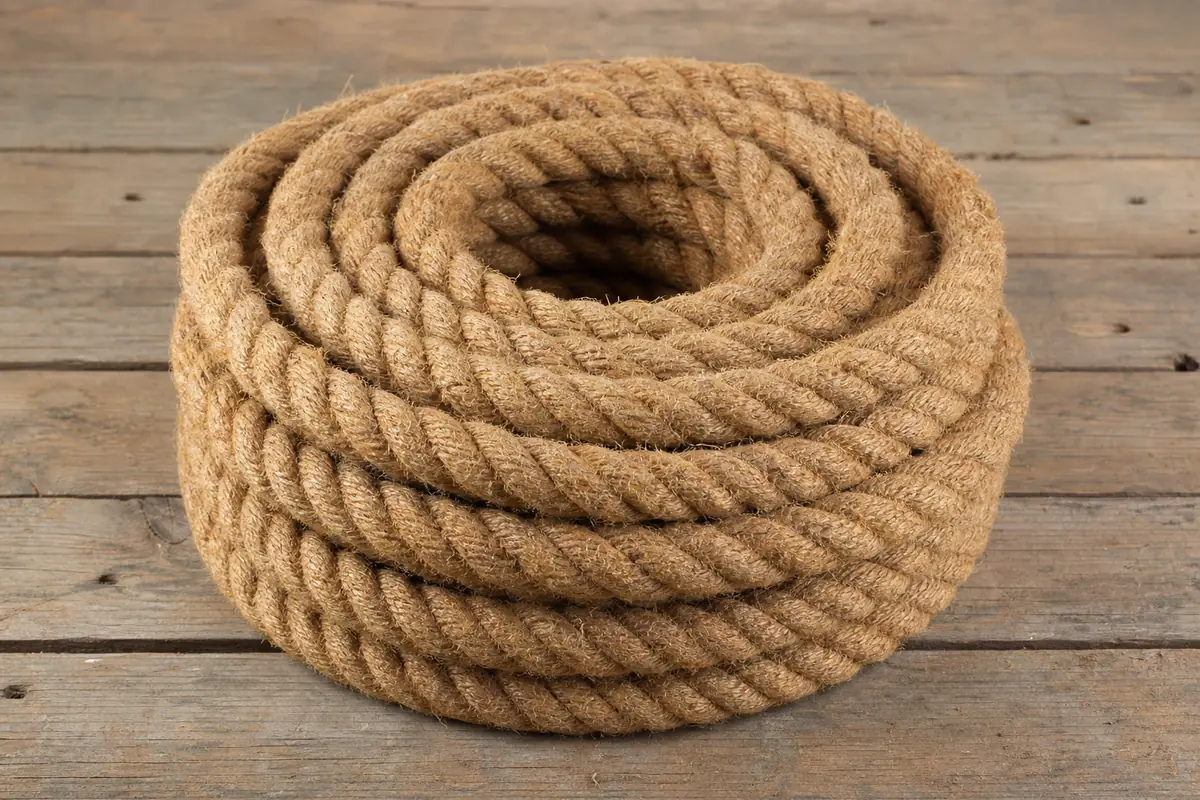
Established 1999 in Madampe. Machine-produced coir twine for export markets under Aurevia Fiber Industries.
Operating since 1985 in Wennappuwa. The foundation of the group's coir processing expertise since 1980.
Leading international export of premium coir twine and agricultural fiber products to global markets, with a primary focus on the United States.
Sustainable Agricultural Solutions
Coir twine serves as a natural, biodegradable support structure in modern farming systems worldwide.
Primary application in supporting vine crops, providing a natural trellis structure that decomposes after the growing season.
After use, coir twine naturally decomposes into the soil, enriching it with organic matter and eliminating waste disposal costs.
Primary export market is the United States, where demand aligns with farming cycles from March to December each year.
Demand for coir twine is seasonal, with peak requirements from March to December, aligned with farming cycles in export markets. This rhythm reflects the group's deep understanding of agricultural timelines and international supply chain requirements.
Economic & Social Impact
The expansion of this industry represents both an economic and social opportunity. With increasing mechanization, the workforce is able to operate efficiently with reduced physical strain, creating accessible employment opportunities, especially for women and rural communities.
This industry also contributes positively to the national economy by increasing export capacity, strengthening rural employment, and supporting foreign exchange earnings during economically challenging periods.
Overall, the Aurevia-linked industrial network represents a growing opportunity to build a strong international brand rooted in Sri Lanka's coir heritage, while expanding into modern, sustainable agricultural solutions.